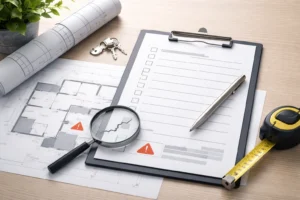






Key Takeaways On The Professional Diligence Framework
The Core Components of Due Diligence
A structured investigation includes financial readiness assessments, physical inspections, legal reviews, and independent valuations to identify risks prior to acquisition.
Financial preparation
We'll help you secure formal pre-approvals and calculate all associated costs, such as Stamp Duty and professional fees, to establish an unshakeable budget.
Independent physical audits
We mandate inspections by licensed builders to identify structural defects that a vendor’s report might omit.
Contractual and title verification
We'll review Section 32 and title details to identify any easements or zoning restrictions that may limit your future plans.
Determining true market value
We use data-driven valuations to eliminate the risk of overpaying in a competitive market.
Financial Due Diligence: Securing the Acquisition Budget
Arranging finances before you start viewing properties provides a significant advantage. In a fast-moving market, readiness is essential. Before you inspect a single residence, we ensure these three factors are locked in.
-
Define the Investment Goal We'll clarify the purchase's purpose immediately. Whether we're securing a home that meets lifestyle expectations or building a strategic portfolio for an investor, this intent guides every decision.
-
Secure Finance Pre-Approval We'll submit your income documents to a lender to secure a formal approval letter. This establishes a firm budget and proves to the vendor's representative that you're a serious buyer.
-
Calculate Total Acquisition Costs The purchase price is only the beginning. We'll use the State Revenue Office calculator to estimate Stamp Duty and add approximately $1,500-$2,500 in professional fees to ensure you have sufficient capital for settlement.
The Physical Building Inspection Protocol
The most expensive problems are often the ones that aren’t visible. Vendors likely provide property reports, but we view these as sales tools rather than neutral assessments. A thorough investigation requires independent reports.
-
The Professional Standard We always recommend engaging an independent inspector. We'll ensure they hold a builder's licence and insurance, and weren't recommended by the selling agent. This ensures you get an unbiased report on the property's true condition.
Why Professional Scrutiny is Essential
A vendor’s report might downplay a significant issue. For example, a report could mention a minor leak in an apartment car park, but an independent forensic investigation could reveal a major, systemic waterproofing failure.
This leads to special levies of tens of thousands of dollars for the new owner. A thorough inspection protects your dream dwelling from becoming a financial nightmare. Our inspection protocol covers these four areas:
-
Independent Structure and Pest Inspection We'll identify structural problems, rot, and pests like termites. Up to 33% of Australian homes are at risk of termite damage.
-
Hazard Assessment For properties built before 1990, an expert must check for asbestos to determine removal costs before you purchase.
-
Compliance and Permit Review We'll audit the property for any unapproved additions, such as decks or extensions. The new owner becomes responsible for these legal liabilities.
-
Owners Corporation Scrutiny For apartments, we'll review the records, finances, and meeting minutes to ensure you don't buy into a poorly managed asset.
Essential Title Search and Legal Review
Contractual paperwork is where complex liabilities are hidden. We work with conveyancers to review all documents and identify red flags that could restrict your use of the land. This includes checking council plans and zoning regulations.
| The Legal Audit Process | The Significance for the Buyer |
|---|---|
| Contract of Sale and Section 32 | We look for unfair terms or hidden problems that put you at a disadvantage. |
| Title Details and Ownership | We'll identify easements or covenants that restrict your construction or renovation. |
| Council Zoning and Overlays | We'll confirm heritage or flood risk rules that impact your renovation plans. |
| Nearby Developments | We'll check whether the surrounding land use is compatible by reviewing major building applications that could affect the neighbourhood. |
A Real-World Example of a Hidden Easement
If you find a home with a large backyard ideal for the swimming pool you’ve always wanted, you might acquire the property assuming that dream is possible. However, a title search could uncover a wide sewerage easement running through the middle of the yard.
This grants the local water authority permanent access, making it illegal to build a pool. Our checks prevent such multi-million dollar mistakes.
Navigate the complexities of Melbourne due diligence with certainty.
We manage the details for our clients.
Establishing True Market Value - The Valuer’s Edge
The final step is to separate fact from emotion. Price guides and auction pressure are noise. A formal property valuation based on comparable sales is the critical signal we use to protect you from overpaying. This data-driven approach is what we call the valuer’s edge.
How We Use Data to Protect Your Capital
As Certified Practising Valuers, we establish a fair price via evidence-based scenarios.
Example of a Confident Acquisition
-
The Property A 3-bedroom dwelling with a guide of $1.1M - $1.2M.
-
The Analysis We'll identify three identical properties that sold nearby in the last 90 days. We'll adjust these prices based on condition and land size to find a baseline.
-
The Verdict Data confirms a true market value of approximately $1.15M - $1.17M. You'll bid with certainty because your offer is backed by evidence.
Example of Avoiding an Overpayment Trap
-
The Property A residence listed with a $1.1M-$1.2M guide price.
-
The Analysis We'll recognise that the vendor's comparable sales are misleading because they're on larger blocks. Truly comparable sales range from $1.0M to $1.05M.
-
The Verdict The true market value is closer to $1.05M. Without this data, you could easily overpay by $100,000 in a competitive auction.
Negotiation Leverage - Facts Over Opinions
Identifying an issue during due diligence isn’t a problem. It’s an opportunity for leverage. We’ll use professional reports to secure a better price or more favourable terms for you. This strategic approach preserves your capital.
-
Secure Quotes for Repairs We'll obtain 2-3 written quotes from qualified tradespeople for any repairs mentioned in an inspection report.
-
Present Forensic Evidence We'll provide these quotes and the report to the seller to shift the conversation from an opinion to a fact.
-
Execute a Revised Offer We'll clearly state the new offer. For example: "Based on the $10,000 needed for structural re-stumping, our revised offer is X."
This framework replaces guesswork with certainty. We’ll identify and secure your ideal property in an average of 47 days. Our acquisitions generate an average of $82,000 in additional equity within the first 6 months after settlement. For those who require our expert team to manage this entire process, the next step is straightforward.
Frequently Asked Questions
The most frequent error is emotional behaviour, which causes buyers to ignore red flags. A second error is relying solely on vendor reports instead of commissioning independent assessments. We'll recognise these risks and help you prioritise objective, data-driven analysis.
While a DIY practise saves money upfront, it exposes you to significant financial risk. A Certified Practising Valuer provides an objective market price to prevent overpayment. This ensures your long-term financial security.
A building inspection assesses physical condition, focusing on structural integrity and defects. A contractual review, conducted by a solicitor or conveyancer, examines the legal documents to identify easements or zoning issues that restrict how you use the land.
In major Australian cities, you'll need to budget between $500 and $1,000. This is a minor investment compared to the potential cost of repairing structural failures or termite damage, which often reaches six figures.
Ni Advocacy
Melbourne Buyers Agency
Ready to buy with absolute certainty?
We’ll build a property strategy that ensures you secure the right asset at the right price.